
Since the start of the pandemic millions of people around the world have lost their jobs and thousands of companies have closed their doors forever with the fate of many more hanging in the balance once the government rescue schemes expire or are withdrawn. Staff being made redundant are sent home and can benefit from more or less generous unemployment schemes. The failed businesses assets are being transferred to liquidators and subsequently wound down in a more or less orderly fashion.
Not so for the giant cargo ships and their crews, which are being abandoned around the world by their tycoon owners. In the nominally regulated shipping industry, COVID-19 has provided even more fuel to the already existing phenomenon of the abandonment of ships, cargo and seafarers with no way to get home. Dumping a vessel will create all sorts of problems, stranding crews, sometimes without pay, food and fuel, the cargo and potentially creating an environmental hazard, as ships which are no longer being maintained may eventually break up and sink.
According to an article in September on Bloomberg.com, And estimated 400,000 mariners have worked past their contract but are now stranded on the cargo vessels without funds or any possibility of returning home. For shipping company owners and executives, the decision to abandon a ship, cargo and crew often comes down to basic math. When the company owes more than the vessel and cargo are worth, it might make financial sense to just walk away.
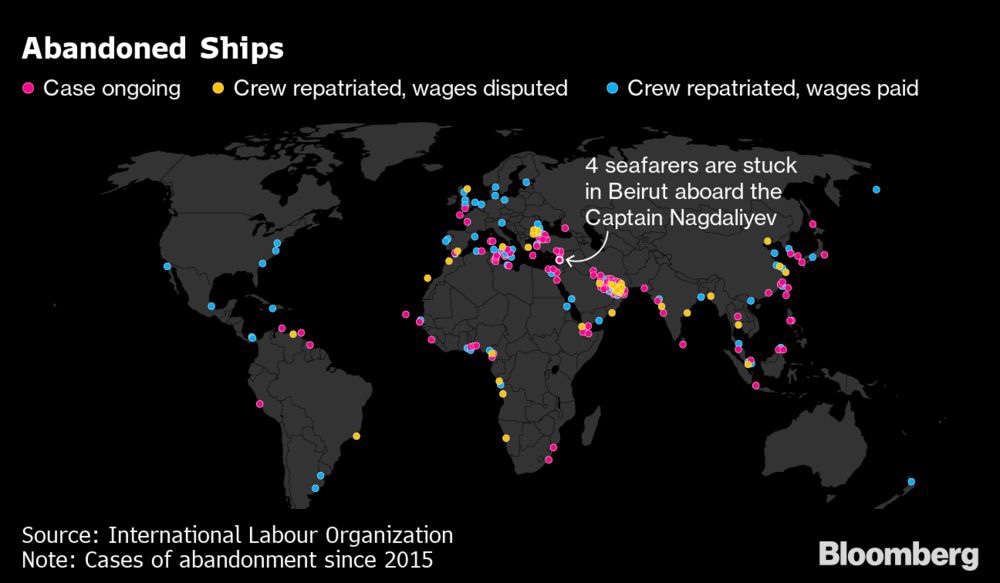
The International Transport Workers’ Federation (ITF) is an international trade union federation of transport workers’ unions and one of the few organisations that help the stranded seafarers to get paid and return home. Sine June it has helped more than 135 seafarers aboard 12 vessels in the Arab world to return to their families around the globe. And its unions have helped mariners recover more than $1.7 million in unpaid wages.
Companies such as Unilever and Procter & Gamble have called for measures to allow more crew changes at ports, ensure the safety of overworked seafarers and make sure supply chains don’t use forced labor. Shipping firms have even appealed to Amazon’s Jeff Bezos to support mariners stuck on merchant vessels because of port and border restrictions to stop the spread of Covid-19.
And all this matters to us as consumers. 90% of global trade relies on shipping, and shopping events such as Singles Day, Black Friday and Cyber Monday simply would not be possible without the work of seafarers. Or goods imported from Asia would be much more expensive if they had to be transported by airfreight.
And then there are the questions of ethics and human rights: Many of the clothes we buy – even those of some luxury brands – are manufactured in South Asian countries such as Bangladesh, which are known hotspots for sweatshops and child labour. While many retailers have pledged to vet their supply chains (and in some cases the suppliers of their suppliers), none to my knowledge are assessing the working conditions on the merchant ships which bring their wares to our shores.
So next time you head out to the sales or order something online, please do spare a thought for all the seafarers who helped making it possible that the desired item is available when you want it and at a reasonable price. And in particular the ones who are stuck on their vessels, in port or at sea, and who possibly haven’t been paid in months.
(And I wish all my followers a happy and joyous Christmas)
 The grumpy older man