
The modern Olympic Games were founded to celebrate amateur sporting ideals. But times change. As France is gearing up for the 2024 summer Olympics, it’s time to take a peek behind the scenes. Nowadays it’s all about money. Teams and athletes compete for medals, proud to be representing their nation at such a prestigious event. As a consequence, national pride has it that each country is eager to rank as highly as possible in the medals league table.
Britain is no exception. Its athletes having performed abysmally in the Atlanta games in 1996, The British government of the time, and all subsequent ones since, started throwing huge amounts of money at sports, teams and athletes which stand the best chance of bringing home the most medals. It is UK Sport‘s role ‚to strategically invest National Lottery and Exchequer income to maximise the performance of UK athletes in the Olympic and Paralympic Games and other major championship events’ to the tune of approximately £345 millions over a four year funding cycle leading up to the Tokyo Olympics. Similar to the U.K., Olympic sports in Switzerland is largely funded by the national betting organisations.
Winning a gold, silver or bronze medal is the reward for years of sacrifice and gruelling training sessions: The US Olympic and Paralympic Committee paid members of Team USA on the occasion of the 2021 Olympic Games in Tokyo $37,500 for each gold medal they win, $22,500 for every silver, and $15,000 for a bronze. Much more generous, I suppose because they can afford to be, are the rewards of countries which win very few medals: Singapore, for example, pays its athletes $744,000 for gold, $372,000 for silver and $286,000 for bronze.
Team GB on the other hand does not provide prizes for medal winners, but they receive an annual training stipend and some athletes may receive funding through various programs, sponsorships, endorsements, and prize money from competitions. Take Sir Mo Farah, a now retired British Olympic athlete: Apart from receiving funding from UK Sport and the National Lottery, he earned substantial amounts through sponsorships with brands like Nike and other endorsement deals. Additionally, successful athletes like Farah often receive appearance fees for participating in races and events around the world. While specific figures may not always be disclosed, it’s safe to say that top-tier athletes can earn millions annually through a combination of these revenue streams (mostly not Olympics related).
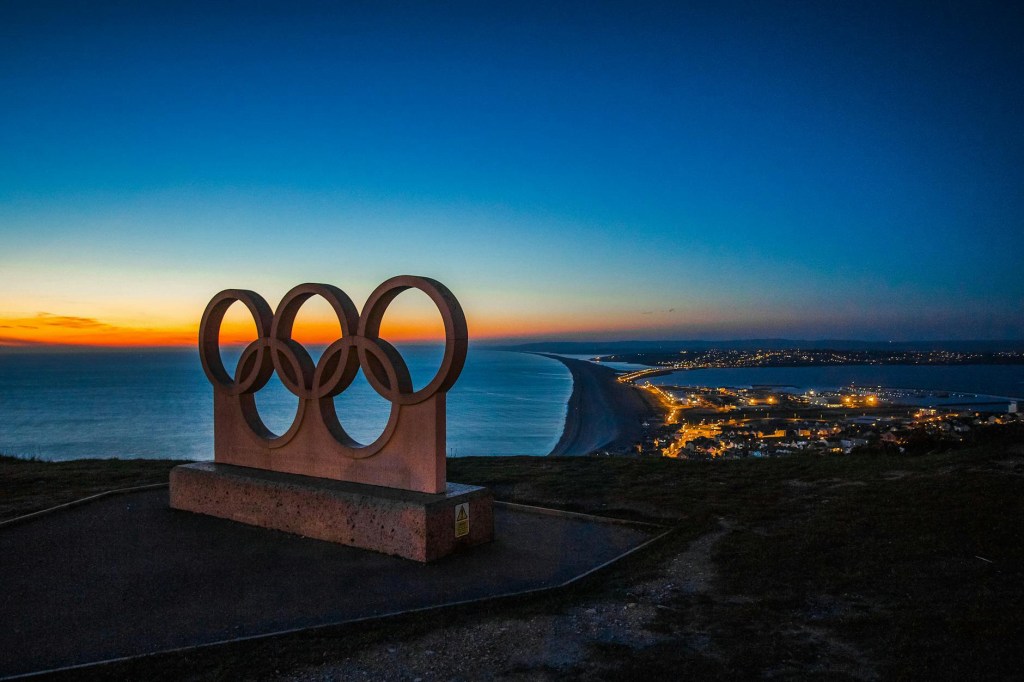
The games themselves can be financially highly rewarding for the organising country, although not last due to the ever increasing cost, the economic benefits seem tobe ever harder to achieve. Often cited as one of the most financially successful Olympics, the games of Los Angeles in 1984 managed to turn a profit primarily through sponsorship deals and utilising existing infrastructure. They generated a surplus of around $250 million. For the Sydney Olympics of 2000 the city invested heavily in infrastructure and facilities, but it subsequently also saw significant economic benefits from increased tourism and international exposure.
Athens four years later, on the other hand, faced challenges due to high costs and underutilised venues. The city struggled with debt and infrastructure maintenance, leading to long-term financial difficulties. And after the Games of 2016 Rio faced criticism for overspending on infrastructure and failing to deliver promised legacy projects. The city struggled with economic recession and social issues, and some venues fell into disrepair.
The Paris games are expected to cost some €6.8 billion while revenues of €5.3 billion primarily coming from sources like sponsorship deals, ticket sales, broadcasting rights, and merchandise are forecast, leaving a deficit of about €1.5 billion. Obviously this ignores the longer term positive impact the Olympics may have: The London games of 2012 played a crucial role in the regeneration of East London, revitalising neglected areas and leaving a lasting legacy of improved infrastructure, parks, and housing. They also inspired increased participation in sports and physical activities among the population, leading to overall healthier lifestyles and increased community engagement in sports.
The Olympic values of friendship, respect, and excellence can sometimes be overshadowed by the increasingly significant financial interests involved in the Games. While the Olympics aim to promote unity and fair competition, the pursuit of sponsorships, broadcasting rights, and commercial partnerships can create tensions and compromises.
One could argue that the commercialisation of the Olympics has led to issues such as doping scandals, corruption within sports organisations, and the prioritisation of profit over the welfare of athletes and host cities. Additionally, the bidding process for hosting the Games has faced criticism for its opacity and potential for corruption.
Efforts are continually made to balance commercial interests with the core values of the Olympic movement, but it remains a complex and ongoing challenge. Just keep that in mind when tucking into some overpriced grub lining an Olympic sponsor‘s pockets or watch an Olympic event on television (under the current deal, the European Broadcasting Union and Warner Bros Discovery of the US paid the IOC some £920 million to broadcast the 2018 to 2024 games).
The Olympic Movement strives for the autonomy of sport, maintaining its independence and resisting undue influence from political, legal, or economic pressures. It also emphasises the importance of good governance in sport organisations, including transparency, accountability, and ethical behavior. The first modern Olympic Games were held in Athens in 1896, without sponsorships. As the games and obviously its sponsors and the media head to France this summer, Pierre de Coubertin, the French historian who founded the International Olympic Committee in 1894 would most likely be disappointed of how they have evolved.
 The grumpy older man