
I never thought I would be writing something like this about a prosperous country such as Switzerland, but there we go: in future winters Switzerland may be running out of electricity. Because the framework agreement with the EU has failed (well, actually the Swiss government withdrew from the talks), Europe does not want to conclude a separate electricity agreement with Switzerland. According to the Swiss Federal Council (the executive of the government), Switzerland could be facing periodic outages of up to 47 hours at a time.
The authorities are in the process of writing to some 30000 businesses, advising them that electricity could be rationed. But that’s the worst case scenario. In a first step households would be asked to use less electricity (candlelit dinners galore then), following which swimming pools would have to close, then escalators, air conditioning units and bright lights would need to be switched off. Industry could be forced to curtail production and trains might run less frequently. A power failure could cause damages of up to CHF4 billion (USD 4.3 billion) a day to the Swiss economy.
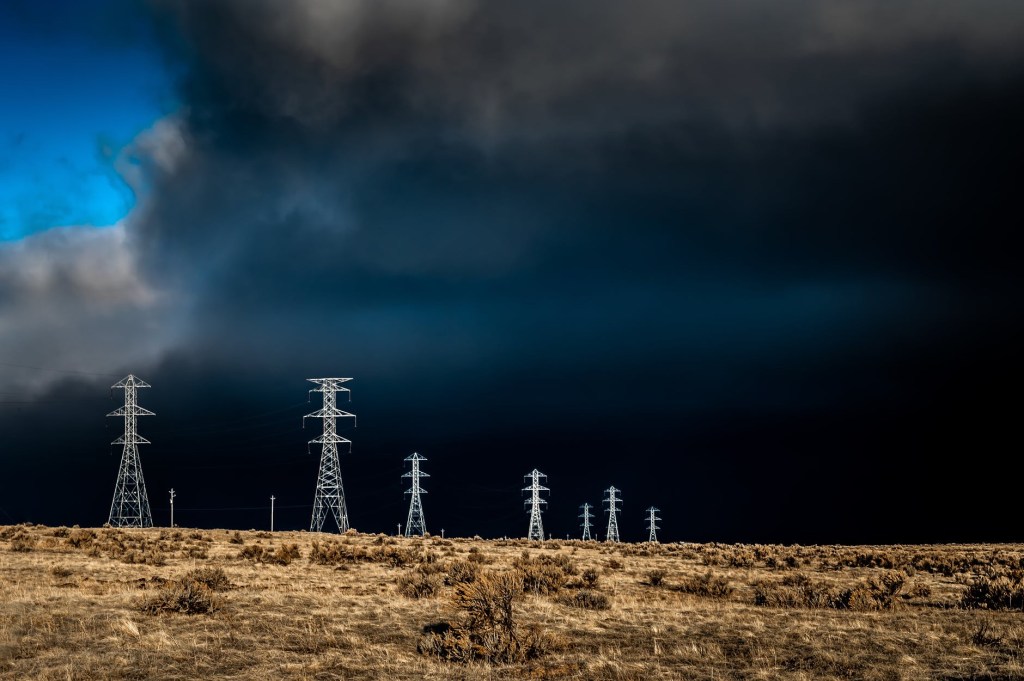
The problem is that energy prices all across Europe have exploded recently: there is not enough electricity from renewable sources available a(and output is heavily dependent on the weather and hence not very predictable) while government reserves of natural gas are running low and ageing nuclear reactors are being taken off the grid. How different this situation is from only a year or two ago when the Deutsche Bahn (Germany‘s state railway) was paid to heat its points in the summer to get rid of excess electricity.
Electricity produced within Switzerland is 56.4% hydroelectric, 35.2% nuclear, 2.6% fossil fuel-generated and just under 6% from new renewable energies. But this doesn’t entirely cover the needs: Switzerland is a an albeit small importer of electricity. But the problem is going to grow: The big question everyone is increasingly asking is how Switzerland will replace the electricity generated by the four operational nuclear reactors which are, according to a popular vote in 2017, to be phased out by 2050. According to Axpo, one of Switzerland’s largest producer of electricity, investments in the region of CHF 11 billion (USD 11.8 billion) will be necessary over the next few years to bridge the gap.
The dilemma we are facing is symptomatic for many other nations: On the one hand we’re all supposed to use less energy and use power from renewable sources whenever possible. But on the other hand we face at the same time growing demand from ever more technology (just think, for example, of the internet of things) and the increasing number of electric vehicles on our roads. According to the Federal Highway Administration in the USA, the average American travels nearly 13,500 vehicle miles per year. At that level of driving, most EVs will require around 4,000 kWh of electricity per year to operate.
All this adds up to a lot of electricity and some countries are already considering measures: In Britain The Times writes that the government is considering switching off supplies of electricity to private charging stations for up to 9 hours per day in order to prevent blackouts. The German magazine Focus reports similar plans for Germany. Other than in Britain the problem in Switzerland is not a potential overload of the grid but the lack of electricity, which could prompt to authorities to restrict e-mobility by, for example, making charging your car during peak hours much more expensive. In this respect EVs may be as much part of the problem as of the solution. On a more positive note, however, EVs are also storing electricity, which, if the car is not being used, could be shared with other vehicles or fed back into the grid.
Some countries have already set objectives by when the sale of new internal combustion engines (ICEs) will be banned, such as Norway (2025), Sweden, Denmark and the Netherlands (2030) and the UK as well as the state of California (2035). We can only hope that supply of energy from renewable sources can be sufficiently ramped up until then to absorb the growing demand for electricity and to avoid the drastic measures which could otherwise loom. Being environmentally friendly is good – and I am all in favour of it – but consumers may yet have to realise that green credentials come at a cost and potentially inconvenience.


You’ve scratched the surface of a huge global problem here Mr G. It’s a complicated issue which will take much more than a politician’s flannel and soapy words to sort out! 😒
LikeLiked by 1 person
Definitely, and it’s going to take time for all of us to adapt to the fact, that in future electricity may not be available in abundance.
LikeLiked by 1 person
Absolutely. We are only just cottoning on to the fact that fresh water is a finite resource!
LikeLiked by 1 person